Beginner Tips for Composting at Home: Easy and Eco-Friendly
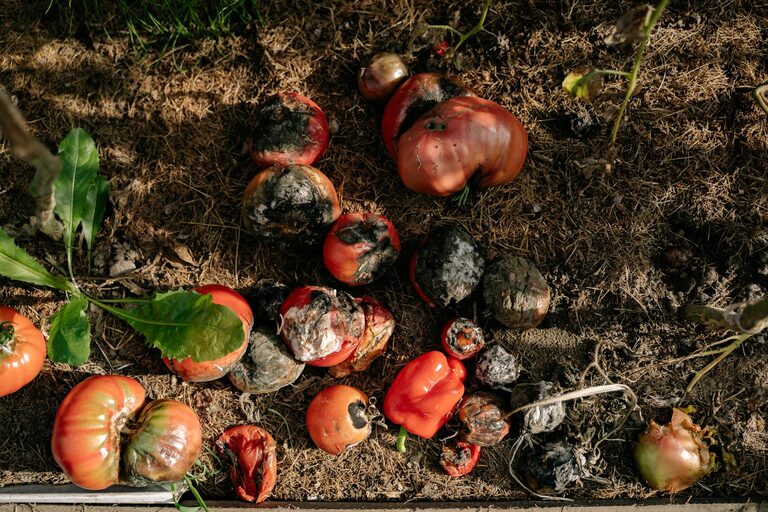
Composting at home is a fantastic way to reduce household waste and create nutrient-rich soil for your garden. If you’re new to composting, the process might seem a little overwhelming at first, but with the right guidance, anyone can turn kitchen scraps and yard waste into black gold for their plants. This post will walk you through beginner-friendly tips to start composting successfully in your own backyard or even on a small balcony.
What Is Composting?
Composting is the natural breakdown of organic materials like food scraps, leaves, and grass clippings into a dark, crumbly substance called compost. This compost acts as a fertilizer, improving soil health and helping plants grow better.
Why Compost at Home?
– Reduce waste: Less garbage ends up in landfills.
– Save money: Cut down on buying fertilizers and soil conditioners.
– Help the environment: Composting lowers greenhouse gas emissions.
– Enhance your garden: Compost improves soil structure and nutrients.
Getting Started: Choose Your Composting Method
Before beginning, decide what type of composting suits your space and lifestyle.
Backyard Compost Bin
– Ideal for larger spaces.
– Can be a simple homemade pile or a store-bought bin.
– Allows for easy turning and aeration.
Tumbler Composter
– Convenient and enclosed container.
– Spins to mix materials faster.
– Works well for small yards.
Worm Composting (Vermicomposting)
– Uses worms to break down food scraps.
– Perfect for apartments or indoor composting.
– Produces nutrient-rich worm castings.
Basic Materials for Composting
A balanced compost pile includes “greens” and “browns.”
– Greens: High in nitrogen. Examples:
– Fruit and vegetable scraps
– Coffee grounds
– Fresh grass clippings
– Browns: Rich in carbon. Examples:
– Dry leaves
– Straw or hay
– Shredded paper or cardboard
Try to maintain a general ratio of three parts browns to one part greens to keep your compost healthy.
Step-by-Step Guide to Start Composting
1. Select a Location
Place your compost bin or pile in a well-drained spot with partial sun. Avoid shady, soggy locations, as they slow decomposition.
2. Start with a Layer of Browns
Lay down a base of coarse browns like small branches or straw. This helps with airflow and drainage.
3. Add Greens and Browns Alternately
Add a layer of green materials followed by brown materials. Keep chopping larger scraps into smaller pieces – they break down faster.
4. Keep It Moist
Your compost pile should feel like a damp sponge—not soaking wet or dry. Water it occasionally during dry spells.
5. Turn the Pile
Use a pitchfork or compost aerator to mix the pile every 1-2 weeks. This adds oxygen to speed up decomposition.
6. Be Patient
Depending on composting conditions and materials, it can take 2-6 months for compost to be ready.
What Not to Compost
Avoid these items to keep your compost pile healthy and pest-free:
– Meat, fish, and dairy products
– Oils and greasy foods
– Pet waste
– Diseased plants or weeds with seeds
– Synthetic chemicals or treated wood
Troubleshooting Common Issues
Compost Smells Bad
Usually caused by too many greens or lack of aeration. Add more browns and turn the pile to fix it.
Pests at the Compost Site
Avoid adding meat or oily foods. Use a closed bin or tumbler to keep animals away.
Compost Is Too Dry or Too Wet
Adjust moisture by watering dry piles or adding dry browns to soggy piles.
How to Use Finished Compost
Your compost is ready when it looks dark, crumbly, and earthy. Use it to:
– Mix into garden beds for better soil fertility
– Top-dress lawns to improve growth
– Potting mix ingredient for houseplants
– Mulch around trees and shrubs to retain moisture
Conclusion
Starting composting at home is an easy and rewarding way to help the environment and boost your garden’s health. With some basic tools, proper materials, and patience, you’ll soon turn everyday waste into valuable compost. Remember, the key is maintaining the right balance of greens and browns, moisture, and airflow. Give it a try and watch your kitchen scraps transform into garden gold!
Happy composting!