
Quick Ideas to Brighten a Dark Room Easily
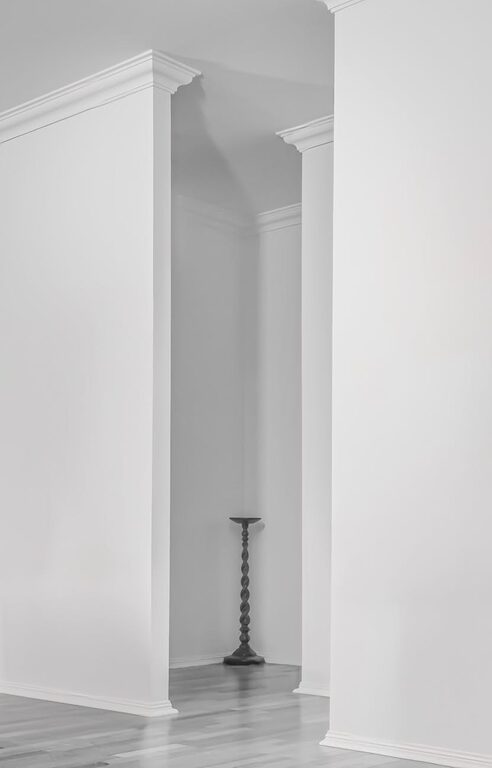
When a room feels dark and gloomy, it can impact your mood and how you use the space. Fortunately, brightening a dark room doesn’t require a major renovation or expensive upgrades. With a few thoughtful changes, you can transform any dim area into a welcoming and lively spot. This post shares quick and practical ideas to help you bring light and life into a dark room.
Assess the Natural Light
Before adding anything new, take a moment to understand how natural light enters your room. Identify windows, doors, or skylights and notice which parts of the room receive the most sunlight throughout the day. This insight will guide your choices for enhancing brightness.
Use Light Colors on Walls and Ceilings
One of the easiest ways to make a room feel brighter is by painting the walls and ceilings in light colors.
Best Color Choices
– Whites and Off-Whites: These reflect the most light and create an airy feel.
– Pastels: Soft shades of blue, green, pink, or yellow can add brightness without being overpowering.
– Light Neutrals: Beige, cream, or light gray provide warmth while keeping the space luminous.
Avoid dark or heavily saturated colors, which absorb light and make the room feel smaller and more enclosed.
Bring in Reflective Surfaces
Mirrors and gloss finishes can bounce light around the room.
– Large Mirrors: Place a mirror opposite a window to reflect daylight throughout the space.
– Glossy Paint or Tiles: Consider semi-gloss finishes on walls or shiny tile accents to increase reflectivity.
– Metal and Glass Decor: Items with reflective qualities, such as metal picture frames, glass tabletops, or crystal vases, help brighten the room subtly.
Optimize Artificial Lighting
A dark room often needs better artificial lighting to compensate for low natural light.
Layer Your Lighting
– Ambient Lighting: Use ceiling fixtures or recessed lights to provide overall illumination.
– Task Lighting: Add table lamps, floor lamps, or under-cabinet lighting in darker corners or work areas.
– Accent Lighting: Highlight artwork, plants, or architectural details to add depth and interest.
Choose the Right Bulbs
– Select bulbs labeled as “daylight” or “cool white” as they produce a brighter, bluish light similar to sunlight.
– Use LED bulbs for energy efficiency and longer life.
– Make sure fixtures distribute light evenly rather than concentrating it in one spot.
Use Sheer Window Treatments
Heavy drapes or dark blinds can block natural light. Replacing them with sheer or light-filtering curtains allows sunlight to enter freely while still maintaining privacy.
– Choose light-colored fabric that lets light pass through.
– Keep window areas uncluttered for maximum light exposure.
– Consider removing window coverings entirely during the day if privacy is not an issue.
Incorporate Light-Colored and Reflective Flooring
Flooring contributes to how light moves in a room.
– Opt for lighter wood tones or laminate rather than dark floors.
– Use area rugs in soft, bright colors instead of dark or busy patterns.
– Glossy or polished floors can reflect light upwards, enhancing the overall brightness.
Strategically Arrange Furniture
Furniture placement affects both light flow and perception of space.
– Avoid placing large, dark pieces in front of windows or in positions that block light.
– Use low-profile furniture to keep the room feeling open.
– Keep pathways clear to allow light to travel across the room easily.
Add Greenery and Light Decor Items
Plants and decor can refresh a room without adding darkness.
– Choose plants with light-green foliage to reflect light.
– Use bright or white pots for plants and accessories.
– Incorporate colorful cushions, throws, or artwork in light shades to enhance vibrancy.
Keep Surfaces Clean and Clutter-Free
Dust and clutter absorb light, making a room feel dull.
– Regularly clean windows and surfaces to maximize light reflection.
– Declutter and organize to create an open, airy environment.
– Use storage solutions to keep everyday items out of sight.
Final Thoughts
Brightening a dark room is largely about enhancing light—both natural and artificial—and making smart design choices that reflect and distribute that light. By applying these easy tips, you can create a space that feels cheerful, spacious, and inviting without the need for expensive remodels.
Give these ideas a try and enjoy your newly brightened room!